

Can a Gluer Machine Be Used for Plastic Product Bonding?
In the realm of manufacturing and production, the question of whether a gluer machine can be used for plastic product bonding is a significant one. As a leading gluer machine supplier, I've encountered numerous inquiries regarding the versatility of our machines, particularly in relation to plastic materials. This blog post aims to delve into this topic, exploring the feasibility, advantages, and considerations when using a gluer machine for plastic product bonding.
Understanding Gluer Machines
Before we discuss the use of gluer machines for plastic bonding, it's essential to understand what a gluer machine is and how it functions. A gluer machine is a piece of equipment designed to apply adhesives to various materials, facilitating the bonding process. These machines come in different types and configurations, each tailored to specific applications and production requirements. Some common types of gluer machines include rotary gluers, flatbed gluers, and folder gluers.
The primary function of a gluer machine is to dispense a precise amount of adhesive onto the surface of the materials to be bonded. This can be achieved through various methods, such as roller application, spray application, or slot die application. The choice of application method depends on factors such as the type of adhesive, the material being bonded, and the desired bond strength.
Feasibility of Using a Gluer Machine for Plastic Product Bonding
The feasibility of using a gluer machine for plastic product bonding depends on several factors, including the type of plastic, the type of adhesive, and the bonding requirements. Not all plastics are suitable for bonding with a gluer machine, as some plastics have low surface energy, which makes it difficult for adhesives to adhere to them. However, with the right combination of plastic, adhesive, and bonding process, it is possible to achieve strong and reliable bonds using a gluer machine.
Types of Plastics Suitable for Bonding
- Polyethylene (PE) and Polypropylene (PP): These are two of the most commonly used plastics in the industry. However, they have low surface energy, which makes them challenging to bond. To improve the bondability of PE and PP, surface treatment methods such as corona treatment, flame treatment, or plasma treatment can be used to increase the surface energy of the plastic.
- Polystyrene (PS) and Acrylonitrile Butadiene Styrene (ABS): These plastics have relatively high surface energy, which makes them easier to bond. They can be bonded using a variety of adhesives, including solvent-based adhesives, hot melt adhesives, and reactive adhesives.
- Polycarbonate (PC) and Polyethylene Terephthalate (PET): These plastics are known for their high strength and transparency. They can be bonded using adhesives that are compatible with their chemical properties, such as epoxy adhesives and acrylic adhesives.
Types of Adhesives for Plastic Bonding
- Solvent-Based Adhesives: These adhesives contain solvents that evaporate during the bonding process, leaving behind a strong bond. They are suitable for bonding a wide range of plastics, but they can be hazardous to use due to the presence of volatile organic compounds (VOCs).
- Hot Melt Adhesives: These adhesives are solid at room temperature and become liquid when heated. They are applied in a molten state and solidify quickly upon cooling, forming a strong bond. Hot melt adhesives are suitable for bonding plastics that require fast bonding and high bond strength.
- Reactive Adhesives: These adhesives cure through a chemical reaction, such as polymerization or crosslinking. They are suitable for bonding plastics that require high bond strength and durability. Reactive adhesives include epoxy adhesives, polyurethane adhesives, and silicone adhesives.
Advantages of Using a Gluer Machine for Plastic Product Bonding
Using a gluer machine for plastic product bonding offers several advantages, including:
- Precision and Consistency: Gluer machines can dispense adhesives with high precision and consistency, ensuring that the bond strength is uniform across the entire bonded area. This is particularly important for applications that require high-quality bonds, such as electronic devices and automotive components.
- Efficiency and Productivity: Gluer machines can bond plastics at a high speed, which increases the production efficiency and reduces the production time. This is beneficial for large-scale manufacturing operations that require high-volume production.
- Versatility: Gluer machines can be used to bond a wide range of plastics and adhesive types, making them suitable for various applications. They can also be customized to meet specific production requirements, such as the size and shape of the plastic parts.
- Cost-Effectiveness: Using a gluer machine for plastic product bonding can be cost-effective in the long run, as it reduces the labor costs and the amount of adhesive used. It also minimizes the risk of human error, which can lead to defective products and increased production costs.
Considerations When Using a Gluer Machine for Plastic Product Bonding
While using a gluer machine for plastic product bonding offers many advantages, there are also some considerations that need to be taken into account:
- Surface Preparation: Proper surface preparation is essential for achieving strong and reliable bonds. The plastic surfaces should be clean, dry, and free of contaminants before bonding. Surface treatment methods may also be required to improve the bondability of the plastic.
- Adhesive Selection: The choice of adhesive depends on the type of plastic, the bonding requirements, and the application environment. It is important to select an adhesive that is compatible with the plastic and provides the desired bond strength and durability.
- Machine Settings: The gluer machine settings, such as the adhesive flow rate, the application pressure, and the temperature, need to be optimized for the specific plastic and adhesive being used. Incorrect machine settings can result in poor bond quality and reduced production efficiency.
- Safety Precautions: When using a gluer machine, it is important to follow all safety precautions to prevent accidents and injuries. This includes wearing appropriate personal protective equipment (PPE), such as gloves and goggles, and ensuring that the machine is properly maintained and operated.
Related Products and Applications
In addition to gluer machines for plastic product bonding, our company also offers a range of other packaging machines that can be used in conjunction with gluer machines to enhance the production process. For example, our Flat Bed Die Cutting Machine can be used to cut plastic sheets into the desired shape and size before bonding. Our Automatic Corrugated Box Machine can be used to produce corrugated boxes that can be used to package plastic products. And our Converting Die Cutting Strapping Machine Bobst can be used to strap and bundle plastic products for shipping and storage.
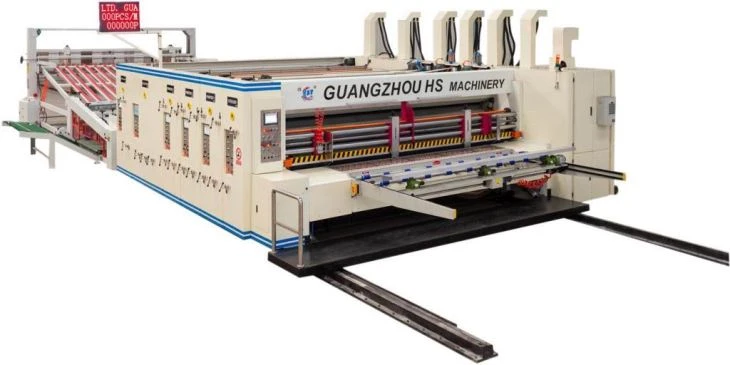

These machines are designed to work together seamlessly, providing a complete packaging solution for plastic products. They are equipped with advanced features and technologies that ensure high precision, efficiency, and reliability. Whether you are a small-scale manufacturer or a large-scale production facility, our packaging machines can help you improve your production process and increase your competitiveness in the market.
Conclusion
In conclusion, a gluer machine can be used for plastic product bonding, provided that the right combination of plastic, adhesive, and bonding process is used. By understanding the types of plastics and adhesives suitable for bonding, as well as the advantages and considerations of using a gluer machine, manufacturers can make informed decisions about whether to use a gluer machine for their plastic bonding needs.
As a gluer machine supplier, we are committed to providing our customers with high-quality machines and excellent customer service. If you are interested in learning more about our gluer machines or other packaging machines, or if you have any questions about plastic product bonding, please do not hesitate to contact us. We look forward to discussing your specific requirements and helping you find the best solution for your production needs.
References
- "Handbook of Adhesive Technology" by Andrew Pizzi and K. L. Mittal
- "Plastics Materials" by John A. Brydson
- "Adhesives and Sealants Technology" by J. J. Bikales