

Lamination is a crucial process in various industries, including printing, packaging, and manufacturing. It involves applying a thin layer of plastic film to a substrate, such as paper, cardboard, or fabric, to enhance its durability, appearance, and protection. When it comes to laminating machines, one of the key decisions is whether to use single - sided or double - sided lamination. As a leading laminating machine supplier, I'm here to shed light on the differences between these two lamination methods.
Single - Sided Lamination
Single - sided lamination, as the name suggests, involves applying a laminate film to only one side of the substrate. This method is widely used for a variety of applications.
Advantages
- Cost - Effective: Single - sided lamination generally requires less material compared to double - sided lamination. Since only one side is being laminated, the amount of laminate film used is reduced, which can lead to significant cost savings, especially for large - scale production.
- Preserves Original Look on One Side: In some cases, it is desirable to keep the original appearance of one side of the substrate. For example, in the printing industry, a brochure may have a high - quality printed image on one side that the client wants to remain untouched, while the other side can be laminated for protection. Single - sided lamination allows for this flexibility.
- Easier Handling: Single - sided laminated materials are often easier to handle during subsequent processes. The non - laminated side can provide a better grip, which is beneficial for tasks such as folding, cutting, or gluing.
Disadvantages
- Limited Protection: The non - laminated side of the substrate is vulnerable to damage, such as scratches, stains, or moisture. This can be a drawback in applications where the material needs to be protected on both sides.
- Uneven Appearance: Over time, the difference in appearance between the laminated and non - laminated sides may become more noticeable. The laminated side will have a smooth, shiny finish, while the non - laminated side will retain its original texture, which may not be aesthetically pleasing in some cases.
Double - Sided Lamination
Double - sided lamination involves applying a laminate film to both sides of the substrate. This method offers enhanced protection and a more uniform appearance.
Advantages
- Enhanced Protection: By laminating both sides of the substrate, the material is better protected against scratches, stains, moisture, and other environmental factors. This makes double - sided lamination ideal for products that will be subjected to heavy use or harsh conditions, such as ID cards, menus, and outdoor signage.
- Uniform Appearance: Double - sided lamination gives the material a consistent, professional look. Both sides have the same smooth, shiny finish, which can improve the overall aesthetic appeal of the product.
- Increased Durability: The additional layer of laminate on the other side reinforces the substrate, making it more resistant to bending, tearing, and wear and tear. This is particularly important for products that need to withstand frequent handling.
Disadvantages
- Higher Cost: Double - sided lamination requires more laminate film, which increases the material cost. Additionally, the process may take longer and require more energy, further adding to the overall cost.
- Potential for Warping: In some cases, double - sided lamination can cause the substrate to warp, especially if the laminate film shrinks unevenly during the curing process. This can be a significant problem, especially for large - format materials.
Applications
The choice between single - sided and double - sided lamination often depends on the specific application.
Single - Sided Lamination Applications
- Printed Materials: As mentioned earlier, single - sided lamination is commonly used for brochures, flyers, and posters where one side needs to maintain its original print quality.
- Labels: Labels on products often only require lamination on one side to protect the printed information while allowing for easy adhesion to the product.
- Book Covers: Some book covers are single - sided laminated to provide a protective layer on the outside while keeping the inside pages in their original state.
Double - Sided Lamination Applications
- ID Cards and Badges: These items need to be protected on both sides to ensure longevity and readability of the printed information.
- Menus: Restaurant menus are frequently double - sided laminated to protect them from spills and frequent handling.
- Outdoor Signage: Outdoor signage is exposed to various weather conditions, so double - sided lamination is necessary to protect the printed image and ensure its visibility over time.
Our Laminating Machines
As a laminating machine supplier, we offer a wide range of machines suitable for both single - sided and double - sided lamination. Our Auto Flute Laminating Machine is designed for high - speed, efficient lamination of corrugated boards. It can be configured for single - sided or double - sided lamination, depending on your specific requirements.
For those looking for even higher productivity, our High Speed Auto Flute Laminating Machine 1450 is an excellent choice. It is capable of handling large - format materials and can perform double - sided lamination with precision and speed.
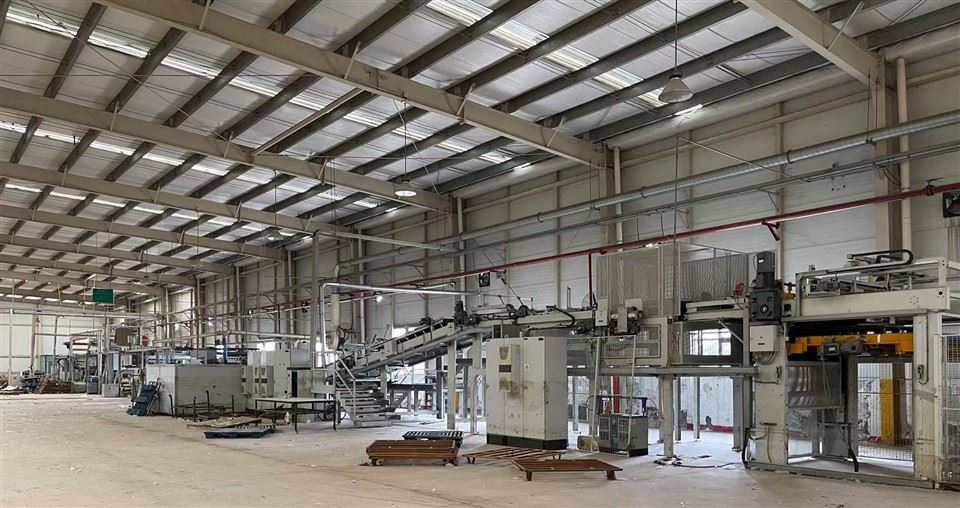

In addition, we also have a selection of used machines, such as the Used Bobst Inline Laminating Machine To Sale. These machines offer a cost - effective solution for businesses on a budget without compromising on quality.
Conclusion
In conclusion, the choice between single - sided and double - sided lamination depends on a variety of factors, including cost, protection requirements, and aesthetic preferences. Single - sided lamination is a cost - effective option that preserves the original look on one side, while double - sided lamination offers enhanced protection and a more uniform appearance.
If you are in the market for a laminating machine or need further advice on the best lamination method for your specific application, we encourage you to get in touch with us. Our team of experts is ready to assist you in making the right decision and ensuring that you get the most out of your lamination process.
References
- Smith, J. (2020). "The Basics of Lamination in the Printing Industry." Printing World Journal.
- Johnson, A. (2019). "Advantages and Disadvantages of Different Lamination Methods." Packaging Technology Review.