

Hey there! As a supplier of die cutting machines, I often get asked about how accurate these machines really are. So, I thought I'd take a moment to break it down for you.
Let's start with the basics. A die cutting machine is a tool that uses a sharp blade or a die to cut materials into specific shapes. These materials can range from paper and cardboard to fabric and leather. They're commonly used in industries like packaging, printing, and manufacturing.
What Affects the Accuracy of a Die Cutting Machine?
1. Machine Quality
The build quality of the machine plays a huge role. High - end machines are usually made with better components. For instance, the frame of the machine needs to be sturdy. If it's wobbly or not well - constructed, it can cause the cutting die to shift slightly during the cutting process, leading to inaccurate cuts.
We offer a wide variety of die cutting machines, like the Discount Price Bobst Flat Die Cutter SPO160. This machine is known for its excellent build quality. The precision - engineered parts ensure that the cutting process is smooth and accurate.
2. Cutting Die
The die itself is crucial. A poorly made die can't cut accurately, even if the machine is top - notch. The sharpness, the shape, and the alignment of the cutting edges on the die all matter. Over time, the die can also wear out. A worn - out die might not be able to cut through the material cleanly, resulting in inaccurate shapes or ragged edges.
3. Material Type and Thickness
Different materials behave differently under the cutting force. For example, a thin sheet of paper is much easier to cut accurately than a thick piece of leather. Thicker materials require more force to cut, and they might also have a tendency to compress or shift during the cutting process. You need to adjust the machine settings according to the material you're working with. If you try to cut a thick cardboard with the same settings as a thin paper, you're likely to get inaccurate results.
4. Operator Skill
No matter how good the machine and the die are, an inexperienced operator can still mess up the accuracy. An operator needs to know how to load the material correctly, set the right pressure, and adjust the cutting speed. They also need to be able to spot and fix any minor issues that might arise during the cutting process.
Measuring the Accuracy of a Die Cutting Machine
Accuracy is usually measured in terms of tolerance. Tolerance refers to the acceptable amount of deviation from the desired dimensions. For example, if you're cutting a rectangle with a width of 10 cm and the machine has a tolerance of ± 0.1 cm, then the actual width of the cut rectangle can be between 9.9 cm and 10.1 cm.
High - end die cutting machines can achieve very tight tolerances, sometimes as low as ± 0.05 mm. However, achieving such high accuracy often depends on the factors we mentioned earlier, like machine quality and material type.
Real - World Applications and Accuracy Requirements
Packaging Industry
In the packaging industry, accuracy is super important. Packages need to fit products perfectly. If a box is cut even a little bit too small, the product won't fit inside. If it's too big, it will look unprofessional and might not protect the product properly. That's why machines like the Second Hand Sunrise Printing Slotter Die Cutter Machine are so popular. They can provide the accuracy needed to create high - quality packaging.
Printing Industry
In printing, especially when it comes to things like business cards or brochures, accurate cutting is essential for a professional look. Misaligned cuts can make a printed piece look unprofessional. A precise die cutting machine ensures that all the printed materials are cut to the exact size, giving them a clean and polished appearance.
Manufacturing Industry
In manufacturing, die cutting can be used to create parts for various products. The accuracy of these cuts can affect the functionality of the final product. For example, in the automotive industry, die - cut gaskets need to fit precisely to prevent leaks. Our Used Press Printing Equipment can offer the necessary accuracy for such applications.

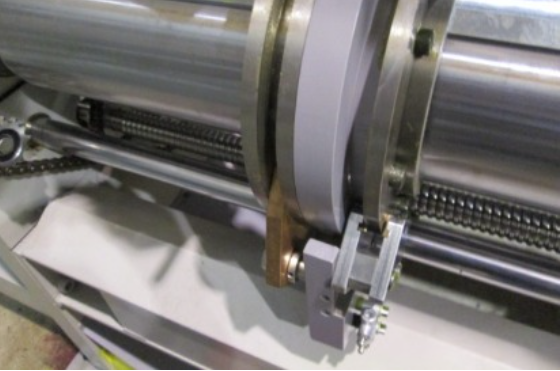
Improving the Accuracy of Your Die Cutting Machine
Regular Maintenance
Just like any other piece of equipment, a die cutting machine needs regular maintenance. This includes cleaning the machine, lubricating the moving parts, and checking the alignment of the cutting die. Regular maintenance can prevent small issues from turning into big problems that affect accuracy.
Upgrading Components
If your machine is getting old, consider upgrading some of its components. You might replace the cutting die with a new, high - quality one or upgrade the control system to improve precision.
Training Operators
Invest in training your operators. Make sure they know how to use the machine properly, how to set the right parameters, and how to troubleshoot common problems. Well - trained operators can significantly improve the accuracy of the cutting process.
Conclusion
So, how accurate is a die cutting machine? Well, it depends on a lot of factors. But with a high - quality machine, a well - maintained cutting die, the right material handling, and skilled operators, you can achieve a very high level of accuracy.
Whether you're in the packaging, printing, or manufacturing industry, having an accurate die cutting machine can make a big difference in the quality of your products. If you're looking to purchase a die cutting machine or want to learn more about improving the accuracy of your existing one, feel free to get in touch with us. We'd be more than happy to help you find the right solution for your needs.
References
- Industry reports on die cutting machine technology
- Manufacturer's manuals for die cutting machines